

An exhaust smell inside your 2011-2017 Ford Explorer is a concern that needs prompt attention. Possible causes include a leaking exhaust manifold or gasket, gaps in body seam sealing, liftgate weatherstrip deterioration, drain valve or plug issues, and other paths that allow exhaust gases to enter the cabin. Carbon monoxide (CO) is colorless and odorless, so you cannot judge the risk by odor strength alone. Have the vehicle inspected before driving it again.
Which Explorers are commonly reported to have this concern?
This concern has been commonly reported on roughly 2011-2017 Ford Explorers. NHTSA opened investigation EA17-002 to examine exhaust odor complaints on these vehicles and closed it in January 2023 without identifying a safety-related defect that warranted a recall. That investigation is separate from Ford’s historical programs addressing exhaust odor intrusion on vehicles within that range. Not every Explorer in this range has the issue, but if you own one and notice an exhaust smell inside the cabin, treat it as a priority inspection.
What are the possible causes of exhaust entering the cabin?
Several entry paths are possible, and diagnosis is needed to determine which applies to your vehicle. Possible causes include:
- A cracked or leaking exhaust manifold or manifold gasket
- Deteriorated or missing body seam sealant, particularly around the rear of the vehicle
- Liftgate weatherstrip that has shrunk, torn, or separated
- Blocked or missing drain valves or drain plugs that allow exhaust to pool and enter
- Gaps around rear lamp mounting areas or body-sealer openings
- Prior collision repairs or aftermarket modifications that disturbed factory sealing
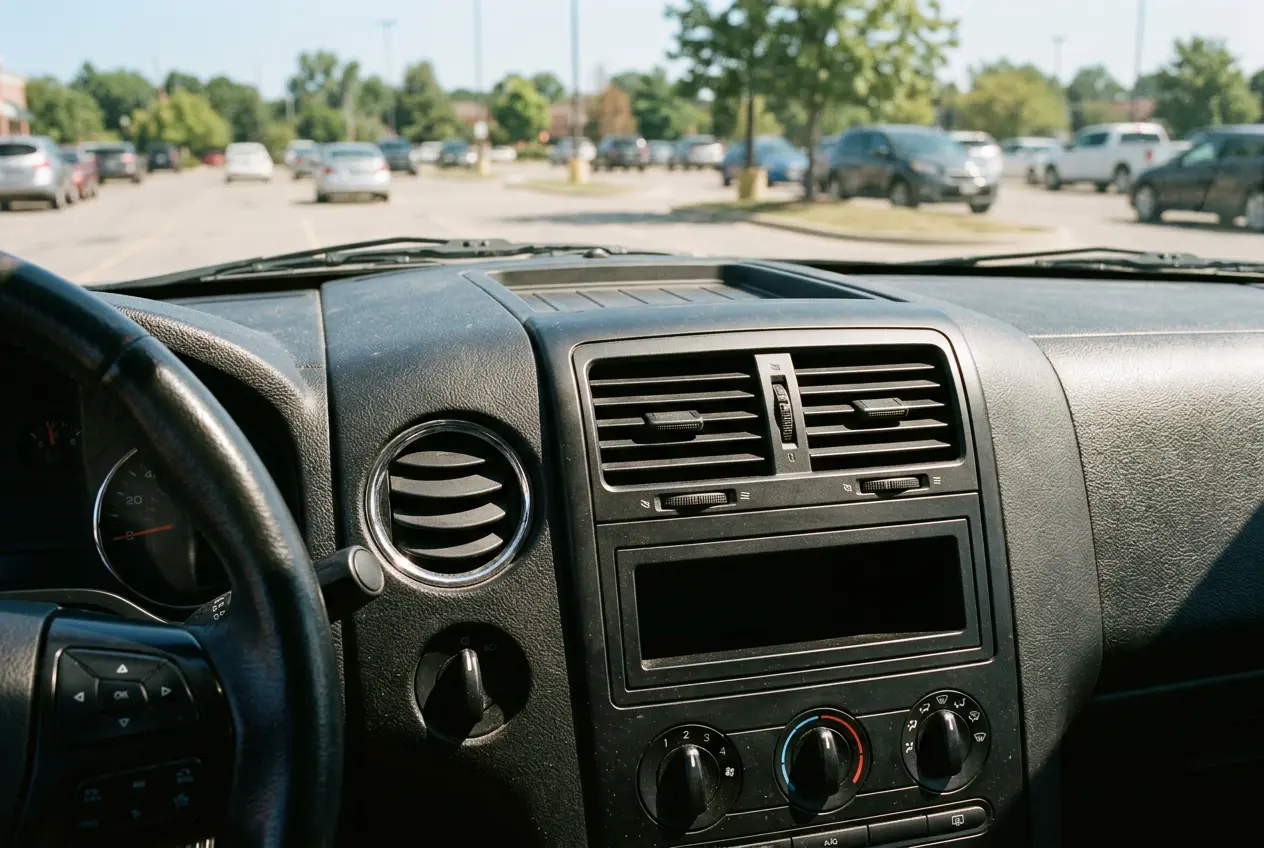
Recirculation mode primarily reuses cabin air rather than drawing outside air. However, sealing defects, airflow patterns, and pressure conditions can still create a path for exhaust to enter the cabin under certain operating conditions. Ford’s applicable HVAC update introduced a fresh-air mode during rapid acceleration specifically to reduce the chance of exhaust intrusion.
What symptoms should I watch for?
| Symptom | Possible explanation | Recommended action |
|---|---|---|
| Faint exhaust smell under hard acceleration | Possible exhaust leak or minor sealing gap; operating conditions affect whether odor is noticeable | Schedule an inspection promptly |
| Smell present at highway speeds or with HVAC running | Possible exhaust intrusion influenced by airflow and pressure conditions | Schedule an inspection promptly; do not delay |
| Persistent smell at idle or at low speed | Possible significant exhaust leak or multiple entry paths | Arrange a tow; do not drive until inspected |
| Occupants experience headache, dizziness, weakness, nausea, or confusion | Possible CO exposure; risk depends on concentration and duration of exposure | Stop safely, exit into fresh air, call 911; arrange a tow |
Is it safe to keep driving?
No. Carbon monoxide is colorless and odorless, and the strength of the exhaust smell you notice cannot tell you the CO concentration inside the cabin. Risk depends on concentration and how long occupants are exposed. If you or any occupant develops headache, dizziness, weakness, nausea, or confusion while driving, stop safely, switch off the engine, and exit into fresh air immediately. Call 911 if symptoms are serious. Do not drive yourself for medical care, and do not treat opening windows as an adequate solution. Arrange a tow rather than continuing to drive a vehicle with suspected exhaust intrusion.
What does a proper diagnosis and repair involve?
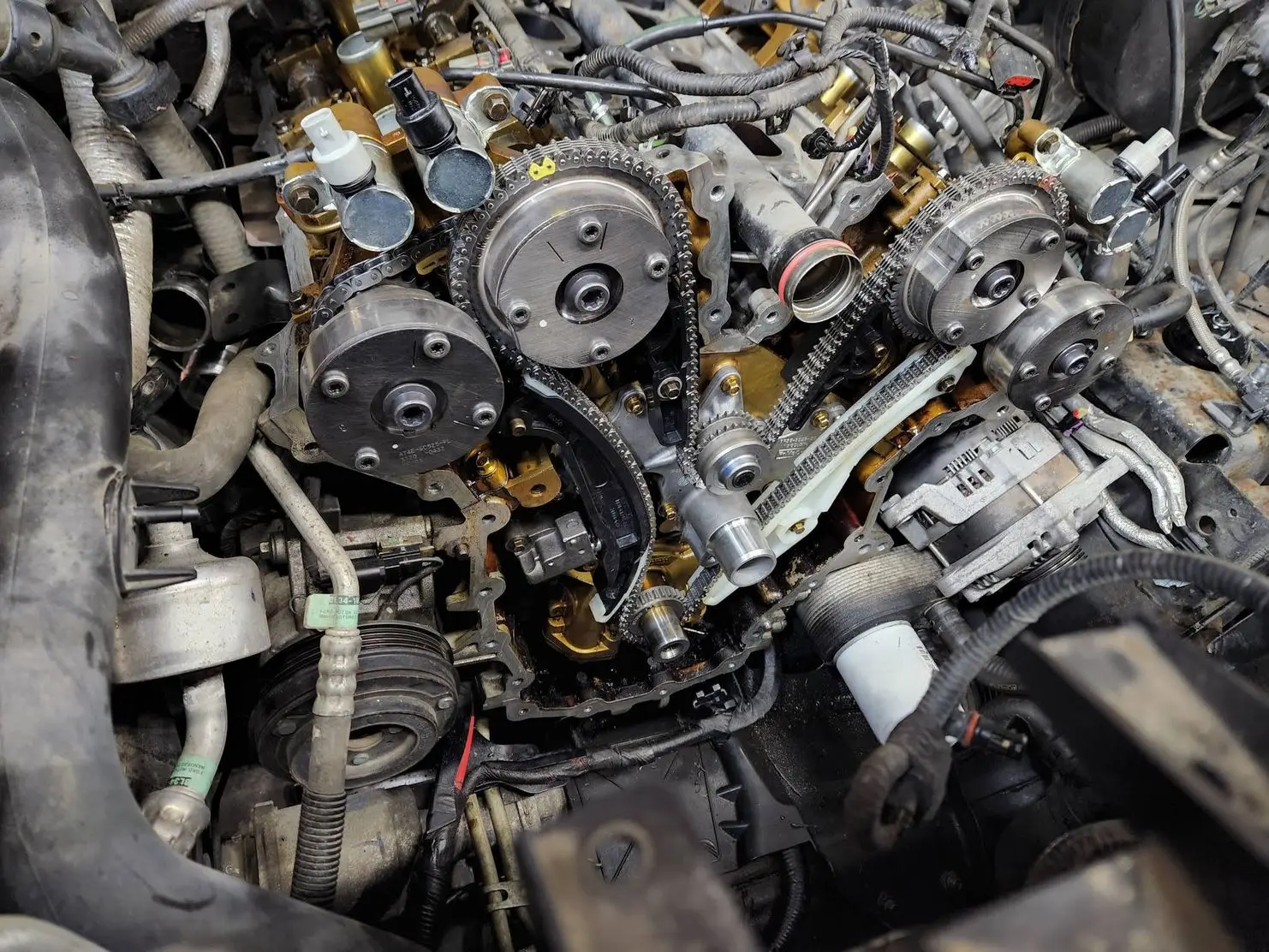
A complete inspection covers the full exhaust system and multiple possible body entry points. The technician will check the exhaust manifold and gaskets for cracks or carbon tracking, then perform exhaust-system smoke testing to locate leaks at manifold joints, gaskets, or pipe connections. Separately, the inspection covers body seam sealant condition, liftgate weatherstrip integrity, drain valve and drain plug function, rear lamp mounting areas, and any evidence of prior collision repairs or aftermarket modifications that may have disturbed factory sealing.
Depending on what is found, repairs may include exhaust manifold or gasket replacement, body seam resealing, liftgate drain-valve replacement, weatherstrip replacement, or HVAC module reprogramming using applicable Ford procedures. In many cases more than one repair is needed. Symptoms can vary with operating conditions, so a thorough diagnosis is the only way to know what your specific vehicle needs.
What affects the cost of this repair?
The cost depends entirely on what the inspection finds. An exhaust manifold and gasket replacement is a more involved job than body seam resealing, and labor time varies by which engine your Explorer has. If multiple entry paths need to be addressed, the total will reflect that. There is no honest single number without seeing the vehicle. Key factors that move the price include the extent of any manifold damage, whether the manifold itself needs replacement or just the gasket, how many seam or weatherstrip locations need attention, and whether HVAC reprogramming is part of the repair. Ask for a written estimate after the diagnostic inspection.
Should I check for a recall or service program on my Explorer?
NHTSA closed investigation EA17-002 in January 2023 without identifying a safety-related defect that warranted a recall. That investigation is separate from Ford’s historical programs addressing exhaust odor intrusion. Published terms for those historical programs have ended, so free service under them is no longer generally available. Contact Ford with your VIN to confirm your vehicle’s repair history and whether any current eligibility applies. Run your VIN through the NHTSA recalls lookup to check for any open safety recalls. You can also check Ford Owner Support for service program information tied to your VIN. Limitless Auto Center handles the out-of-warranty inspection and repair for vehicles that fall outside any covered program.
For related reading, see our post on what to do when your check engine light comes on. Drivers coming in from the Fleetwood area can find location details at our Fleetwood service page, and those coming from Blandon can see our Blandon service page. We also serve drivers from Birdsboro and the surrounding Berks County area.
Frequently Asked Questions
Is it safe to keep driving my Explorer if I smell exhaust inside?
No. If you or any occupant experiences headache, dizziness, weakness, nausea, or confusion, stop safely, switch off the engine, exit into fresh air, and call 911 if symptoms are serious. Arrange a tow rather than continuing to drive a vehicle with suspected exhaust intrusion. Have the vehicle inspected before anyone drives it again.
Does the smell only show up with the AC on recirculation?
Many owners notice it most under hard acceleration or with the HVAC system running. Recirculation mode primarily recirculates cabin air, but sealing defects, airflow patterns, and pressure conditions can still allow exhaust to enter the cabin under certain operating conditions. Ford’s applicable HVAC update introduced a fresh-air mode during rapid acceleration to reduce the chance of exhaust intrusion.
Will a check engine light come on if I have an exhaust leak?
Not always. A cracked exhaust manifold or a body seam gap does not always trigger a diagnostic trouble code. The absence of a warning light does not mean the vehicle is safe.
What years of the Ford Explorer are documented to have this concern?
NHTSA investigation EA17-002 and Ford’s historical programs covered certain 2011-2017 Explorers. Contact Ford with your VIN to check your vehicle’s repair history and whether any current eligibility applies.
Can I fix this myself?
Diagnosing where exhaust is entering the cabin requires a thorough inspection of the exhaust system, body seams, liftgate weatherstrip, drain valves, and rear lamp mounting areas. This is not a straightforward DIY job, and the safety stakes are high enough that professional diagnosis is the right call.
Ready to get your Explorer checked? Josiah Martin, owner and ASE Master Certified Technician, and the Limitless Auto Center team will inspect your exhaust system and body sealing and walk you through exactly what they find. As a NAPA AutoCare Center, qualifying repairs are backed by a 3-year/36,000-mile hassle-free warranty. Loaner cars and shuttle service are available.
Sources

Josiah Martin has 15 years of automotive experience and has been a shop owner for 6 years. He is an ASE Master Certified Mechanic with certifications in Hybrid Vehicles, Advanced Engine Performance, and HVAC.